


 |
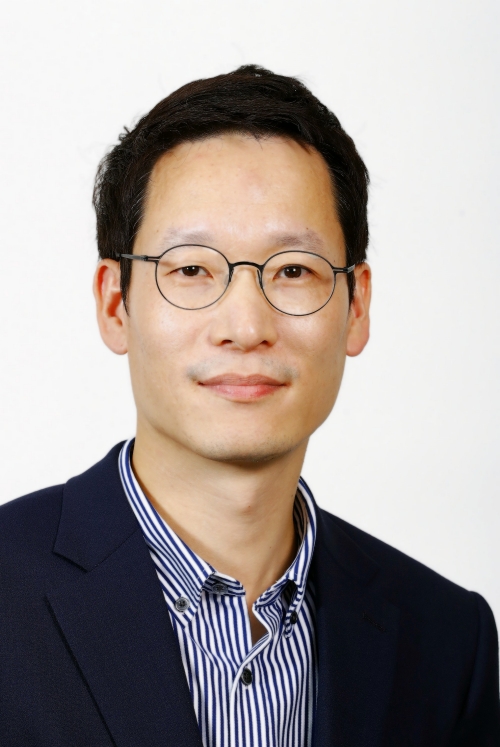
| 김태형 대한경제 산업부장 |
올해 재계 연말 인사가 한 달 이상 앞당겨졌다. 미국 관세, 중국 공세, 환율 급변, 노란봉투법까지 중첩된 위기가 기업들을 조바심 나게 만들었다.
SK그룹이 10월 30일 포문을 열었다. 삼성전자는 사업지원실을 격상시키고 글로벌 석학에 기술 싱크탱크를 맡겼다. LG는 이번주 주요 계열사 사장단 인사를 시작하고, 현대차는 다음달 중순이 유력하다.
피터 드러커는 “인사는 전략을 이긴다”고 했다. 그런데 지금 재계 인사는 진짜 전략인가, 익숙한 관행의 반복인가.
올해 인사 키워드는 ‘AI 중심 재편’과 ‘세대교체’다. SK는 임원 30% 감축이라는 초강수를 뒀다. 창사 이래 최대 규모다. 해킹 사고와 실적 악화에 대한 문책성 조치를 신속히 진행하는 동시에 신규 임원 11명을 발탁했다. 전체 사장급의 30%가 1970년생이다.
삼성은 그룹 2인자 정현호 부회장의 퇴진과 함께 컨트롤타워 성격의 사업지원TF를 ‘실’로 격상시켰다. 관심을 모았던 반도체(DS) 부문과 디바이스경험(DX) 부문은 전영현-노태문 투톱 체제를 유지했다.
문제는 이들이 모두 ‘조직 안에 있던 사람들’이라는 점이다. AI 인재와 젊은 리더를 발탁했지만, 같은 문화 안에서 성장한 ‘한식구’다. 30대를 승진시켰지만, 기존 평가 시스템을 통과한 사람들이다.
진정한 혁신은 외부에서 온다. 글로벌 빅테크 기업들의 최근 인사 트렌드는 명확하다. ‘AI 거품’ 논란과 ‘감원 칼바람’ 속에서도 핵심 포지션에는 외부 전문가를 과감히 영입하는 것이다.
마이크로소프트는 딥마인드 공동창업자 술레이만에 MS AI그룹(MAI)을 맡겼고, 메타는 스케일AI CEO 알렉산더 왕에게 메타 초지능 연구소(MSL) 지휘를 일임했다.
인력 뽑는 기준도 파격적이다. 젠슨 황은 “능력으로만 사람을 뽑는다”며 박사 학위 없는 20대 AI 연구자를 시니어 엔지니어로 채용했다. 팔란티어는 ‘대학이 망가졌다’며 고등학교 졸업생들을 펠로십으로 뽑는다.
이런 맥락에서 현대차의 결단은 주목할 만하다. 창사 57년 만에 첫 외국인 CEO 호세 무뇨스를 선임한 것은 한국 재계의 진짜 파격이다. ‘우리끼리 돌려막기’에서 벗어나겠다는 의지다. ‘이방인 CEO’는 관세 파고와 중국의 저가 공세를 뚫고 선전 중이다.
삼성전자가 SAIT 원장에 하버드대 박홍근 교수를 앉힌 것도 의미 있다. 화학·물리·전자 전반을 아우르는 글로벌 석학이다. 양자컴퓨팅, 뉴로모픽 반도체 등 미래 기술 연구를 이끌 적임자다. 4월엔 3M, 펩시코 출신 마우로 포르치니를 최고 디자인 책임자로 영입했다.
외부 전문가는 조직에 낯설다. 기존 방식을 흔들고 불편한 질문을 던진다. 바로 그 불편함이 혁신의 시작점이다.
‘인사가 만사’라는 진리는 여전히 유효하다. 다만 그 인사가 진정한 혁신으로 이어지려면 더 불편한 선택을 할 준비가 돼 있어야 한다. 국내외 거시변수가 시계제로 상황으로 흘러가면서 내년 사업계획조차 짜기 어려운 비상상황에선 더욱 그렇다.
내부 승진 중심의 안전한 인사로는 AI 시대에 생존할 수 없다. 지금 필요한 건 숫자 맞추기가 아니라, 조직을 뒤흔들 ‘이방인’을 받아들이는 용기다. 조직 외부의 신선한 시각과 전문성을 받아들일 용기다.
----
Outsiders at the Helm
The pace of appointments accelerates, yet mindsets remain frozen in time.
This year's year-end executive reshuffles arrived over a month early across Korea's major conglomerates. A convergence of crises—US tariffs, Chinese competitive pressures, volatile exchange rates, and contentious labor legislation—pushed companies into urgent action.
SK Group fired the opening salvo on October 30. Samsung Electronics elevated its business support unit while entrusting global scholars with its technology think tank. LG begins reshuffling presidents across key affiliates this week, with Hyundai Motor expected to follow in mid-December.
Peter Drucker observed that "culture eats strategy for breakfast." But do today's corporate appointments represent genuine strategy or merely the perpetuation of comfortable convention?
The Familiar Playbook
Two themes dominate this year's appointments: AI-driven reorganization and generational transition. SK wielded an unprecedented axe, cutting 30 percent of executives—its largest reduction since founding. The moves served dual purposes: swift accountability for cybersecurity breaches and deteriorating performance, while simultaneously promoting 11 new executives. Remarkably, 30 percent of all president-level appointments were born in 1970.
Samsung marked Vice Chairman Chung Hyun-ho's departure by upgrading its business support task force to a full division, establishing a new control tower. The semiconductor and device experience divisions maintained their dual-leadership structure under Jeon Young-hyun and Roh Tae-moon.
The pattern reveals a critical limitation: these leaders emerged entirely from within. Companies promoted AI talent and younger executives, yet all were cultivated in identical organizational cultures. They elevated employees in their thirties, but only those who navigated existing evaluation systems successfully.
The External Imperative
Genuine transformation arrives from outside. Global technology leaders demonstrate a clear pattern: despite AI skepticism and widespread layoffs, they aggressively recruit external specialists for critical positions.
Microsoft appointed Mustafa Suleyman, DeepMind's co-founder, to lead Microsoft AI. Meta handed its Fundamental AI Research team to Scale AI CEO Alexandr Wang.
Hiring criteria break conventional molds. Jensen Huang declared "we hire purely on capability" while recruiting PhD-less researchers in their twenties as senior engineers. Palantir, asserting that "universities are broken," now recruits high school graduates into fellowship programs.
Breaking the Mold
Hyundai Motor's decision merits particular attention. Appointing José Muñoz as its first foreign CEO in 57 years represents genuine disruption in Korean business circles—a decisive break from insular succession practices. This outsider CEO navigates tariff headwinds and Chinese price warfare with notable success.
Samsung Electronics' appointment of Harvard Professor Park Hong-keun to lead its Advanced Institute of Technology carries similar significance. This global scholar spans chemistry, physics, and electronics—ideal for pioneering quantum computing and neuromorphic semiconductors. In April, the company recruited Mauro Porcini from 3M and PepsiCo as Chief Design Officer.
The Discomfort Dividend
External specialists disrupt organizational comfort. They challenge established methods and pose uncomfortable questions. That very discomfort sparks innovation.
The maxim "personnel determines everything" endures. Yet translating appointments into genuine innovation demands willingness to make deeply uncomfortable choices. This imperative intensifies as macroeconomic variables approach zero visibility, rendering even next year's business planning nearly impossible.
Internal promotion-centric strategies cannot sustain survival in the AI era. The current need transcends numerical targets. Organizations require the courage to embrace outsiders who will fundamentally shake existing structures—the courage to welcome fresh external perspectives and specialized expertise that cannot be cultivated from within.
김태형 기자 kth@
〈ⓒ 대한경제신문(www.dnews.co.kr), 무단전재 및 수집, 재배포금지〉
