


 |
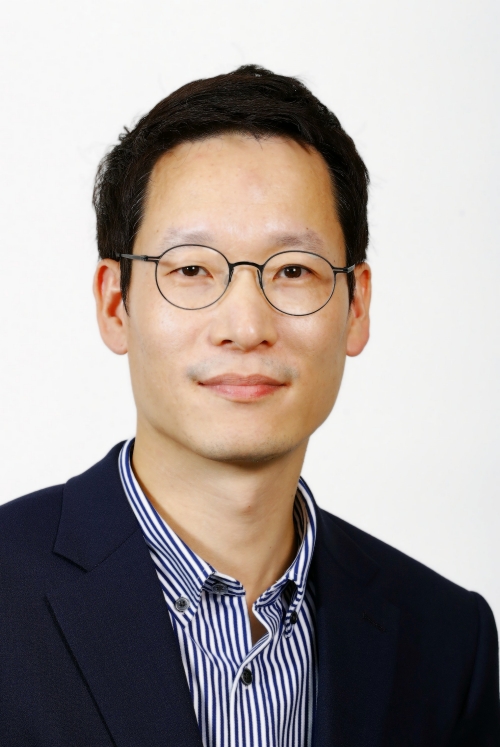
| 김태형 산업ㆍ생활경제 부장 |
[대한경제=김태형 기자] 다음주 크리스마스를 전후로 주요 기업들은 연말연시 휴무에 들어간다. ‘푸른 뱀’(을사년)이 가고 ‘붉은 말’(병오년)이 달려온다.
세밑에 찾은 성수동은 더 ‘힙’해졌다. 2호선 성수역은 ‘무신사역’으로 불리고, 공장지대 골목은 감각적인 카페와 브랜드숍, 팝업 전시장으로 변신했다. ‘대림창고’가 공간 리노베이션이었다면, ‘젠틀몬스터’와 ‘블루엘리펀트’는 문화체험 공간으로 신축됐다. 젠틀몬스터 성수 신사옥 이름(하우스 노웨어 서울)처럼 기존에 없던 건물과 공간들이다. ‘크래프톤’의 17층 신사옥(K-프로젝트)도 세상을 놀라게 할 준비로 바쁘다. K-유통 대표주자 이마트 본사와 성수점 부지에 게임회사 신사옥이 들어서는 장면은 오프라인 유통산업을 가상 IP산업이 대체하는 상징처럼 읽힌다.
하지만 성수동에서 만난 한 게임 개발사 대표의 표정은 어두웠다. 올해 매출 100억원을 기록했지만 영업이익은 1억원 남짓이다. 대부분 마케팅비로 증발했고, 치솟는 임대료는 숨통을 조인다. 불과 몇 년 전만 해도 게임업계엔 20~30명 규모 중견사들이 즐비했다. 이제는 부익부 빈익빈이 극명하다. 대형사 아니면 10명 미만 소규모로 쪼그라들었다. 연말 술자리에서 돌아가는 이야기는 “이번에 또 어디가 문 닫았더라”는 우울한 소식뿐이다.
카카오모빌리티는 또 다른 한숨을 토해낸다. 택시 플랫폼이 호출하지 않은 손님 탑승에도 수수료를 매기는 행위를 금지하는 여객자동차운수사업법 개정안이 국회 상임위를 통과했다. 이른바 ‘배회영업 수수료 금지법’이다. 이는 택시 가맹사업 모델의 근간을 흔든다. 교촌치킨 가맹점에서 BBQ 치킨을 함께 파는 격이다. 카카오T 가맹 택시가 플랫폼 호출 없이 일반 손님을 태우면, 정작 카카오T로 호출한 고객만 피해를 본다. 브랜드 가치를 누리면서 의무는 회피하는 구조다.
잘나가던 현대차그룹도 한숨이 깊다. 트럼프 2기 출범 후 미국 관세가 25%로 치솟았다가 11월부터 15%로 낮아졌지만, 기존 FTA 시절보다 여전히 높다. 가격을 올리지 않으면 영업이익이 줄어들고, 가격을 올리면 판매량이 감소한다. 딜레마다.
전기차 시장은 더 암울하다. 미국 정부의 전기차 보조금 폐지로 판매가 급감했다. 자율주행차 경쟁도 치열하다. 테슬라에 밀리고, 중국도 맹렬히 추격한다. 글로벌 톱3 위상이 흔들리는 건 시간문제라는 불안감이 높다. R&D와 생산, 싱크탱크 수장을 모두 교체할 만큼 절박하다.
오랜 경쟁관계인 포스코와 현대제철은 미국발 50% 고율관세를 뚫기 위해 루이지애나주에 10조원 규모 일관제철소 프로젝트를 합작 추진한다. SK·LG·롯데·한화·HD현대·GS·DL 등 주요 그룹의 모든 석유화학 계열사들은 정부와 채권단의 압박 속에 설비 폐쇄·통폐합 등 고강도 구조조정 중이다.
그나마 사정이 낫다던 반도체는 어떤가. AI 거품론이 고개를 든다. 당장은 빅테크의 대규모 데이터센터 투자 덕에 물량 걱정은 덜었다. 하지만 업계는 천문학적 설비투자에 나서야 한다. 국내 반도체특별법은 국회에서 표류 중이다. 주52시간 예외 조항도 포함되지 않았다. 글로벌 경쟁사들이 24시간 풀가동 체제로 달려가는데, 한국은 제도적 발목에 묶여 있다.
성수동 거리는 화려하다. 하지만 그 이면에서 중소 게임사는 쓰러지고, 플랫폼 기업은 규제에 막히고, 글로벌 기업은 무역장벽에 신음한다. 반도체조차 제도적 지원 없이 외로운 싸움을 이어간다.
세밑 산업 현장에서 들리는 건 한숨뿐이다. 정부는 규제 완화를 외치지만 실효성은 의문이다. 국회는 표 계산에 바쁘고, 기업은 생존 전략에 골몰한다.
드라마 대사를 빌린다. 인생은 공수 교대다. 반드시 뿌린 대로 거둔다. 을사년을 힘겹게 견뎌낸 산업계에 미안함과 감사, 깊은 존경을 담아 위로를 건넨다. 폭싹 속았수다.
----
[Desk Column] When Life Gives You Tangerines
By Tae-hyung Kim, Director of Industrial & Lifestyle Economics
As Christmas approaches next week, Korea’s major corporations are preparing to enter their year-end hiatus. We stand at a seasonal crossroads, bidding farewell to the Year of the Blue Snake and bracing for the gallop of the Year of the Red Horse.
Walking through Seongsu-dong at year’s end, the district feels trendier than ever. Seongsu Station on Line 2 is now colloquially dubbed "Musinsa Station," and the old industrial alleys have morphed into a chic tapestry of avant-garde cafes, brand flagship stores, and pop-up galleries. While the iconic "Daelim Changgo" was a pioneer in space renovation, newer landmarks like Gentle Monster and Blue Elephant have been built from the ground up as immersive cultural experiences. Krafton’s ambitious 17-story headquarters, known as the "K-Project," is also nearing completion, preparing to stun the world. The sight of a gaming giant’s headquarters rising on the former site of E-mart’s head office—the erstwhile titan of traditional retail—serves as a poignant symbol of virtual IP industries eclipsing the brick-and-mortar past.
Yet, behind this polished facade, the mood is somber. A CEO of a game development studio I met in Seongsu wore a dark expression. Despite recording 10 billion won in revenue this year, his operating profit barely scraped 100 million won. Most of the capital evaporated into marketing costs, while skyrocketing rents continue to stifle growth. Only a few years ago, the industry was teeming with mid-sized firms employing 20 to 30 people. Today, the polarization is stark: either you are a global behemoth, or you shrink to a micro-team of fewer than ten. At year-end gatherings, the conversation inevitably drifts toward the melancholic roll call of which studio folded most recently.
The sighs continue at Kakao Mobility. An amendment to the Passenger Auto Transport Business Act, dubbed the "Anti-Roaming Commission Law," recently cleared a parliamentary subcommittee. The law prohibits platforms from charging commissions on "walk-in" passengers who didn't use the app. This strikes at the very heart of the franchise taxi model. It is akin to a Kyochon Chicken franchise insisting on selling BBQ Chicken products on the side. When a Kakao T franchise taxi picks up a random street hail, the loyal customers waiting on the platform suffer the most. It is a structure where one enjoys the brand's prestige while evading the obligations that come with it.
Even Hyundai Motor Group, despite its global Top 3 status, is mired in a dilemma. Under the second Trump administration, U.S. tariffs initially soared to 25% before settling at 15% in November—still a staggering leap from the zero-tariff FTA era. To raise prices is to risk volume; to keep them steady is to sacrifice margins. The outlook for EVs is even bleaker following the repeal of U.S. subsidies. With Tesla widening the gap and Chinese rivals in hot pursuit, there is a palpable fear that their hard-won global standing could vanish in an instant. The urgency is reflected in the sweeping replacement of heads across R&D, production, and the group’s internal think tank.
In a desperate bid to bypass the 50% high-rate tariffs, long-time rivals POSCO and Hyundai Steel are co-pursuing a massive 10 trillion won integrated steel mill project in Louisiana. Meanwhile, petrochemical subsidiaries across the major chaebols—SK, LG, Lotte, Hanwha, HD Hyundai, GS, and DL—are undergoing grueling restructuring, shuttering and merging facilities under pressure from the government and creditors.
What of semiconductors, the supposed silver lining? AI "bubble" fears are mounting. While massive investments from Big Tech in data centers provide short-term volume, the industry must commit to astronomical capital expenditures. Yet, the Semiconductor Special Act remains adrift in the National Assembly, stripped of the essential "52-hour work week exception" clause. While global competitors run their labs 24/7, Korean innovators find their feet shackled by institutional inertia.
Seongsu-dong’s streets are brilliant with light. But in the shadows, small gaming firms are collapsing, platforms are strangled by regulation, and global champions groan under trade barriers. Even the semiconductor industry is left to fight a lonely battle without systemic support.
In the industrial trenches at the end of the year, one hears only heavy sighs. The government preaches deregulation, but its efficacy remains questionable. The National Assembly is preoccupied with the arithmetic of votes, leaving corporations to navigate survival on their own.
To borrow a line from a popular drama: Life is a series of transitions between offense and defense. You reap exactly what you sow. To the industry leaders and workers who have endured the hardships of this year, I offer my apology, my gratitude, and my deepest respect. When Life Gives You Tangerines.
kth@
〈ⓒ 대한경제신문(www.dnews.co.kr), 무단전재 및 수집, 재배포금지〉
