


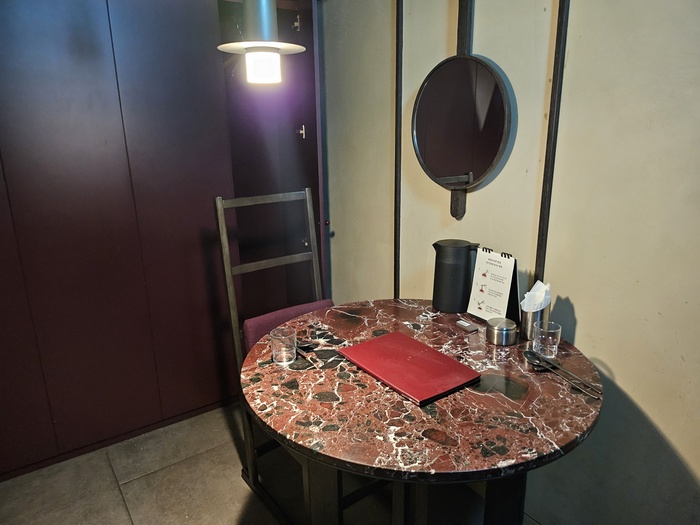
[대한경제=심화영 기자] 며칠 전 강남의 한 중식당에서 30년간 다국적기업에 몸담고 있는 임원과 밥을 먹었다. 옆에 걸린 작은 거울과 은은한 조명이 소란스럽던 마음을 가라앉혀줬다.
“왜 젠슨 황은 한국에서 치킨 회동을 했을까요” 기자의 질문에 그는 잠시 젓가락을 내려놓고 말했다. “글로벌기업 입장에서 한국시장은 1% 파이밖에 안 되는 성숙된 시장이에요. 그럼에도 한국을 높게 평가하는 건 테스트베드로서의 가치보다, 삼성·SK·현대차·LG 같은 ‘제조 깐부’가 있기 때문이죠.”
이 말은 지난달 30일 저녁 삼성동 ‘깐부치킨’에서 젠슨 황 엔비디아 최고경영자(CEO)가 이재용 삼성전자 회장, 정의선 현대차 회장과 함께 한 그 유명한 ‘치맥 회동’의 본질을 꿰뚫는다.
젠슨 황은 한국이 가진 ‘제조 DNA’를 봤으리라. 엔비디아는 HBM이 필요하고, 한국은 GPU가 필요하다. 엔비디아는 제조 파트너가 필요하고, 한국은 AI 기술이 필요하다. 26만장의 GPU를 한국에 공급한다는 이유다. 엔비디아 만큼 혁신적인 테슬라의 경우 AI 칩부터 자율주행차, 로봇, 위성통신망까지 갖춘 ‘피지컬 AI’ 기업이다. 하지만 엔비디아는 다르다. 최고의 두뇌(GPU)는 있지만, 몸통(제조 생태계)은 없다.
젠슨 황에게 필요한 건 AI를 ‘만질 수 있는 실체’로 바꿔줄 파트너다. 미국과 중국의 지정학적 장벽, 유럽의 제조 공백 속에서 그의 눈에 ‘한국’이 들어왔다. 한국은 반도체·자동차·조선·로봇 등 제조업 전방위를 커버하고, 전국에 5G 인프라가 깔려 있다. 엔비디아가 GPU 공급을 넘어 한국 제조업과 손잡으려는 이유다.
그리고 그 연결고리가 바로 ‘디지털트윈(Digital Twin)’이다. 디지털트윈은 현실의 공장·도시·차량을 가상 공간에 그대로 복제해 실시간으로 시뮬레이션하는 기술이다.
정의선 회장이 젠슨 황과 치킨을 함께 먹은 이유는 명확하다. 테슬라 추격이다. 현대차는 엔비디아의 가상 협업 플랫폼 ‘옴니버스’를 이용해 가상공간에서 수천번의 조립, 로봇 협업, 자율주행 훈련을 반복하고, 실제 공장에선 검증된 공정만 실행하는 것을 추진중이다. 한 번의 시행착오가 수억원을 삼키는 현실에서, 디지털트윈은 그 실수를 가상에서 소화한다.
여기서 한국의 제조 혁신이 시작된다. 원가로 싸우던 시대는 끝났다. 이제는 속도와 효율, 피지컬과 디지털의 결합이 승부를 가른다. 삼성의 반도체, SK의 AI 클라우드, 현대차의 모빌리티, LG의 로봇이 따로 움직인다면 ‘4개의 섬’일 뿐이다. 하지만 이들이 진짜 ‘깐부’처럼 움직인다면 이야기는 달라진다. 엔비디아는 한국의 제조력이 없으면 피지컬 AI를 구현할 수 없고, 한국은 엔비디아의 기술력 없이는 초거대 AI 시대의 주도권을 잡을 수 없다.
깐부의 조건은 단순하다. 서로의 생존을 걸고 함께 가는 것이다. 진짜 깐부는 서로 목숨을 거는 관계다. 깐부치킨의 치맥 회동은 제조업의 부활을 알리는 신호탄이다. 우리는 여전히 공장을 ‘산업혁명 시대의 유물’로, AI를 ‘미래 산업’으로 따로 본다. 그러나 디지털트윈은 바로 그 둘의 결합이다. ‘제조했던 나라’가 아니라 ‘다시 제조하는 나라’로 돌아가는 것이다. 젠슨 황이 한국을 찾은 이유는 바로 이를 함께 할 ‘깐부’를 만들기 위해서다.
[Eonju-ro Column] Digital Twins and “Kkanbu”
A few days ago, I had lunch at a Chinese restaurant in Gangnam with an executive who has worked for a multinational company for 30 years. The soft lighting and small mirror on the wall helped calm the noisy atmosphere.
“Why do you think Jensen Huang had that chicken meeting in Korea?” I asked. The executive put down his chopsticks for a moment and replied, “From the perspective of a global company, Korea is a mature market with only a 1% share of the world. But they still value Korea highly — not because it’s a testbed, but because of manufacturing ‘kkanbus’ like Samsung, SK, Hyundai Motor, and LG.”
That explains the essence of NVIDIA CEO Jensen Huang’s famous “chicken and beer meeting” with Samsung Electronics Chairman Lee Jae-yong and Hyundai Motor Chairman Chung Euisun at “Kkanbu Chicken” in Samseong-dong on the evening of October 30.
Huang must have seen Korea’s “manufacturing DNA.” NVIDIA needs HBM, while Korea needs GPUs. NVIDIA needs manufacturing partners, and Korea needs AI technology. That’s why the company plans to supply 260,000 GPUs to Korea.
Tesla, equally innovative, is an “AI in the physical world” company — it develops AI chips, autonomous driving, robots, and satellite networks. NVIDIA, however, is different. It has the brain (GPUs) but not the body (a manufacturing ecosystem).
What Huang needs are partners who can turn AI into a “tangible reality.” Surrounded by the geopolitical barriers between the U.S. and China and the manufacturing void in Europe, his eyes turned to Korea. Korea covers nearly all manufacturing fronts — semiconductors, automobiles, shipbuilding, and robotics — and has nationwide 5G infrastructure. That’s why NVIDIA aims to go beyond GPU supply and truly partner with Korean manufacturers.
The connection point is “Digital Twin.” A digital twin is a technology that creates a virtual replica of a real factory, city, or vehicle and runs real-time simulations.
Chung Euisun’s reason for having chicken with Jensen Huang is clear — to chase Tesla. Hyundai Motor is already using NVIDIA’s virtual collaboration platform “Omniverse” to simulate thousands of assembly and robot-cooperation processes in virtual space, training autonomous driving systems, and executing only proven procedures in real factories. In a world where a single mistake can cost billions of won, digital twins allow those mistakes to happen — and be fixed — in a virtual environment.
This is where Korea’s manufacturing innovation begins. The era of cost competition is over. Now, speed and efficiency — the fusion of the physical and digital — determine success. If Samsung’s semiconductors, SK’s AI cloud, Hyundai’s mobility, and LG’s robotics act separately, they remain “four islands.” But if they work together as true “kkanbus,” the story changes. NVIDIA cannot realize physical AI without Korea’s manufacturing strength, and Korea cannot lead the age of large-scale AI without NVIDIA’s technology.
The essence of kkanbu is simple: to stake one’s survival and move forward together. True kkanbus are bound by that shared fate. The chicken-and-beer meeting at Kkanbu Chicken signals the revival of manufacturing. We often treat factories as relics of the Industrial Revolution and AI as the future, as if they belong to separate worlds. But digital twin technology is where the two converge. It marks Korea’s return — not as “the country that used to manufacture,” but as “the country that manufactures again.” This is why Jensen Huang came to Korea: to find his kkanbu to walk that path together.
 |
