


 |
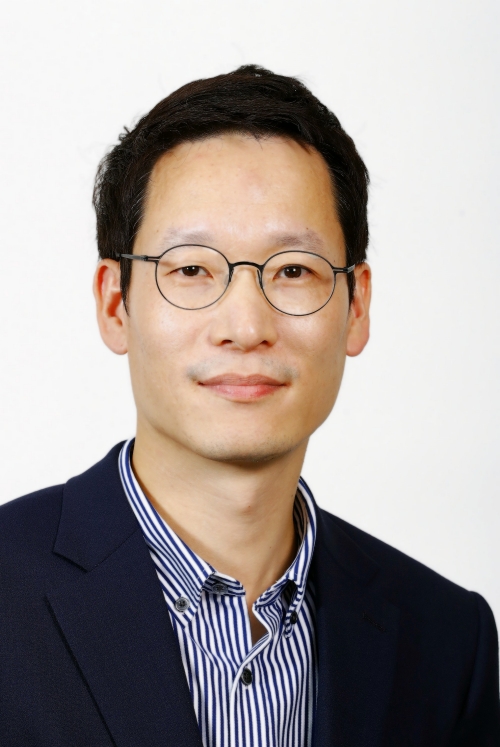
| 김태형 산업부장 |
사드는 단순한 방어용 무기가 아니다. 요격 고도 40~150㎞를 책임지는 우리 방공망의 ‘최후 보루’다. 패트리엇이 저고도를 담당하는 방패라면, 사드는 적의 심장부를 높은 하늘에서 낚아채는 거대한 그물이다. 하지만 이 전술적 자산이 최근 중동의 전운 속에 감쪽같이 자취를 감췄다. 이란 전쟁으로 방어 시스템 보강이 급해진 미군이 성주의 사드 포대를 비밀리에 중동으로 빼낸 탓이다.
사드가 사라진 빈자리에 남은 것은 기업들의 깊은 탄식이다. 10년 전, 우리는 사드 배치라는 안보 결정 하나에 경제의 기둥이 흔들리는 전대미문의 ‘사드 사태’를 겪었다. 당시 경북 상주 골프장을 부지로 내놓은 롯데그룹은 중국의 노골적인 제1 타깃이 됐다. 112개 롯데마트 매장은 소방 점검과 위생 단속이라는 치졸한 올가미에 걸려 도미노처럼 무너졌다. 롯데가 중국 시장에서 쫓겨나듯 철수하며 입은 직접 피해액만 2조원에 달했다.
보복의 칼날은 무차별적이었다. 현대차와 기아의 판매량은 수직 낙하했고, K-뷰티의 상징이던 아모레퍼시픽과 LG생활건강의 매출은 증발했다. 당시 산업계가 입은 총손실액은 연간 10조원에 육박했다. 국가 안보를 위해 기업이 제단 위에 올려진 셈이다. 그런데 이제 와서 그 사드가 소리 소문 없이 중동으로 날아갔다. 자주국방을 외치던 정책 당국자들의 호언장담이 민망해지는 순간이다. 기업들은 허탈함을 넘어 분노한다. 국가가 준 상흔은 여전한데, 그 원인제공자였던 ‘안보의 상징’은 국익의 계산기 속에서 너무나 쉽게 자리를 옮겼다.
이번 이란 전쟁이 몰고 올 후폭풍은 10년 전과 체급부터 다르다. 사드 사태가 특정 국가의 ‘심술’이었다면, 지금의 전쟁은 한국 경제의 ‘생존’을 직격한다. 세계 에너지의 동맥인 호르무즈 해협이 봉쇄되는 순간, 에너지 자립도가 낮은 한국은 공급망 단절이라는 질식 상태에 빠진다. 서울 시내 주유소에 늘어선 긴 차량 행렬과 가동을 멈춘 석유화학 공장들은 우리가 누려온 안온한 일상이 얼마나 위태로운 얼음판 위에 있었는지를 뼈저리게 보여준다.
자본 시장은 이미 비명을 지르고 있다. 미국 경제분석가 짐 비앙코의 조롱 섞인 경고처럼, 한국 증시는 ‘심약한 자는 발을 들일 수 없는’ 아수라장이 됐다. 전쟁 직후 단 이틀 만에 시가총액 1000조원이 증발했다. 삼성전자 127조원, SK하이닉스 87조원이 하루아침에 안개처럼 사라지는 시장에서 논리적인 투자는 사치다. 환율은 1500원을 오르내리고, 기업의 돈줄인 IPO 시장은 동토(凍土)로 변했다. 유가·환율·주가라는 ‘트리플 쇼크’는 우리에게 오직 한 가지 질문만을 던진다. “이 거대한 불길 속에서 당신은 살아남을 준비가 되었는가.”
이제 ‘전시 경제’의 문법으로 산업 지도를 다시 그려야 한다. 나프타 의존에서 벗어난 에너지 믹스의 재편은 더 이상 미룰 수 없는 숙제다. 비용 절감을 위해 해외로 나갔던 생산 기지들은 이제 안정성을 담보할 수 있는 ‘니어쇼어링(Near-shoring)’이나 우방국 중심의 ‘프렌드쇼어링(Friend-shoring)’으로 머리를 돌려야 한다. 특정 원료와 경로에 목을 매는 비즈니스 모델은 지정학적 불길 앞에 한낱 종잇장에 불과하다.
전쟁은 언젠가 끝난다. 하지만 포성이 멈춘 뒤의 세상은 결코 이전과 같지 않을 것이다. 호르무즈의 파도가 잦아들었을 때, 여전히 바다를 가르며 나아갈 수 있는 기업은 오직 스스로를 파괴적 혁신으로 재무장한 곳뿐이다.
----
[Desk Column] The Silence of Seongju and the Flames of Hormuz
‘Epic Fury.’ The operation name was grand, yet the consequences are gruesome. The joint airstrikes by the United States and Israel targeting Iranian Supreme Leader Ayatollah Ali Khamenei on the 28th of last month have hurled a massive fireball into the powder keg of the Middle East. It is a byproduct of Donald Trump’s impulsive decision-making intertwined with Benjamin Netanyahu’s desperate instinct for political survival. Those flames have now leaped 7,000km, scorching the front yard of the Korean Peninsula. The spark was ignited at Seongju, Gyeongbuk—the site of THAAD (Terminal High Altitude Area Defense).
THAAD is more than a mere defensive weapon. It is the ‘last bastion’ of our air defense, responsible for interception altitudes of 40–150km. If the Patriot is a shield for the lower skies, THAAD is a colossal net that snatches the enemy’s heart from the heavens. Yet, this tactical asset has vanished into thin air amidst the gathering war clouds in the Middle East. Under the pretext of urgent reinforcement for the Iranian conflict, the U.S. military has clandestinely redeployed the Seongju THAAD battery to the Middle East.
In the void left by THAAD remains the profound despair of corporations. A decade ago, we endured the unprecedented 'THAAD Crisis,' where the pillars of our economy were shaken by a single security decision. Lotte Group, which provided its golf course in Seongju as the site, became the blatant primary target of Beijing. 112 Lotte Mart stores collapsed like dominoes, ensnared by petty pretexts of fire safety and hygiene inspections. Lotte was effectively expelled from the Chinese market, suffering direct losses of 2 trillion won.
The blade of retaliation was indiscriminate. Sales for Hyundai and Kia plummeted, and revenues for K-Beauty icons like AmorePacific and LG Household & Health Care evaporated. The total industrial loss at the time reached nearly 10 trillion won annually. In the name of national security, corporations were sacrificed on the altar. Now, that very THAAD has slipped away to the Middle East without a sound. It is a humiliating moment for policymakers who once boasted of self-reliant defense. Businesses are beyond despondent; they are enraged. The scars inflicted by the state remain, yet the very ‘symbol of security’ has been repositioned as easily as a pawn in the calculator of national interest.
The aftershocks of this Iranian war are of a different caliber than those of a decade ago. If the THAAD crisis was the ‘petulance’ of a specific nation, this war is a direct hit to the ‘survival’ of the Korean economy. The moment the Strait of Hormuz—the jugular of global energy—is choked, Korea, with its meager energy self-sufficiency, falls into a state of asphyxiation. The long queues of vehicles at Seoul gas stations and the silenced petrochemical plants poignantly reveal how perilously thin the ice was beneath our tranquil daily lives.
The capital markets are already screaming. As Jim Bianco, a veteran Wall Street analyst, mockingly warned, the Korean stock market has become a shambles, "unsuitable for the faint of heart." In just two days following the outbreak of war, 1,000 trillion won in market capitalization vanished. In a market where 127 trillion won from Samsung Electronics and 87 trillion won from SK Hynix disappear overnight like mist, logical investment is a luxury. The exchange rate fluctuates around 1,500 won, and the IPO market—the lifeline of corporate funding—has turned into a frozen wasteland. The ‘Triple Shock’ of oil prices, exchange rates, and stock prices poses a single question: “Are you prepared to survive amidst this gargantuan inferno?”
We must now redraw the industrial map using the grammar of a ‘War Economy.’ Reconfiguring the energy mix to break the dependence on naphtha is a task that can no longer be deferred. Production bases that ventured overseas for cost-cutting must now pivot toward ‘near-shoring’ or ‘friend-shoring’ to ensure stability. Business models tethered to specific raw materials or routes are nothing more than sheets of paper before geopolitical flames.
War eventually ends. However, the world after the guns fall silent will never be the same. When the waves of Hormuz subside, the only corporations capable of still slicing through the sea will be those that have rearmed themselves with disruptive innovation. What we need now is not the panic of the faint-hearted, but the calm audacity of a veteran who designs the future even amidst a colossal storm.
김태형 기자 kth@
〈ⓒ 대한경제신문(www.dnews.co.kr), 무단전재 및 수집, 재배포금지〉
