


 |
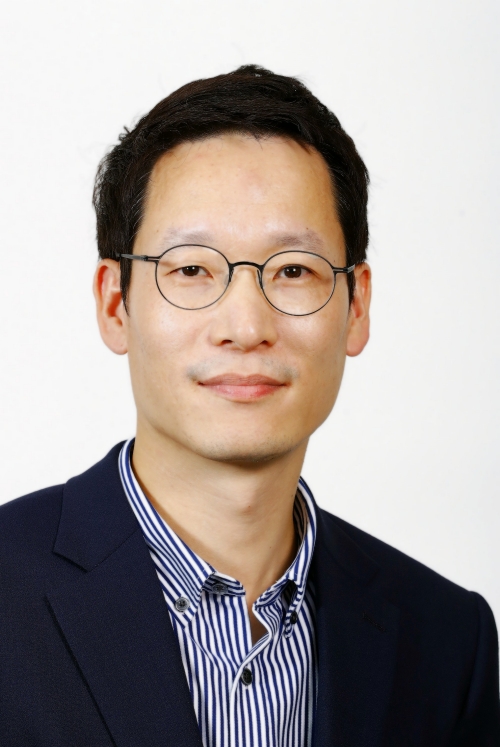
| 김태형 대한경제 산업부장 |
페라리가 이탈리아의 자부심이라면 대한민국에는 삼성이 있다. 국민 10명 중 1명이 주주인 국민주이자 글로벌 스마트폰·반도체 거인이다. 최근 삼성전자는 시가총액 2000조원을 돌파하며 메타를 제치고 글로벌 시총 10위에 올랐다. 코스피 9000선 질주를 이끌며 한국 상장사 전체 시총을 세계 6위로 끌어올린 주역이다.
삼성은 대한민국의 성장사 그 자체다. 1983년 이병철 창업회장의 ‘도쿄 선언’으로 반도체라는 미지의 영토에 사활을 걸었고, 1990년대 이건희 선대회장의 ‘신경영 선언’을 통해 글로벌 일류로 탈바꿈했다. 대우 등 한 시대를 풍미했던 국가대표 기업들이 역사 속으로 사라지는 격랑 속에서도 삼성은 독보적인 ‘탑티어(Top-tier)’를 지켜냈다. 전 세계인의 손에 갤럭시를 쥐여주고 글로벌 빅테크의 심장부에 반도체를 이식하며 기술과 제조 전 영역에서 글로벌 ‘K-웨이브(K-wave)’를 주도해 온 설계자가 바로 삼성이다.
인공지능(AI) 광풍 속에 잠깐 삐끗했던 실책도 금세 만회했다. 2일 개막한 대만 ‘컴퓨텍스 2026’에서 8세대 고대역폭메모리 ‘HBM5’ 실물과 로드맵을 세계 최초 공개한 것이 대표적이다. 지난달 7세대 HBM4E 샘플을 세계 최초로 납품한 데 이은 독주 선언이다. 골드만삭스는 삼성전자의 연간 영업이익이 올해 374조원을 넘어 2028년 610조원에 달할 것이라는 경이로운 전망을 내놓았다.
화려한 축제의 이면에는 내부 균열이 도사리고 있다. 최근 노사 간 첨예하게 대립한 성과급 이슈다. 최고의 인재에게 파격적인 보상을 주던 ‘초일류 보상’ 원칙이 경쟁사의 ‘영업이익 N% 성과급’과 노조의 파업 위협 앞에 흔들렸다.
그러나 삼성에는 ‘위대한 기업’의 DNA가 있다. 삼성전자는 지난 5년간 연구개발(R&D)에 148조원을 썼다. 지난해에는 매일 1000억원씩 미래 기술에 투자했다. 반도체 부문(DS) 설비투자에는 5년간 233조원이 투입됐다. 이 기간 반도체가 낸 이익(78조1000억원)은 물론 회사 전체 영업이익(178조원)보다 많은 액수다.
위기 때도 투자를 멈추지 않았다. 반도체 부문이 15조원 가량 적자를 낸 2023년에도 삼성은 오히려 3배 많은 48조원을 투자했다. 이 무모하고도 위대한 결정을 내린 것은 누구인가. 단기 성과급에 집중하는 직원도, 목소리를 높이는 노조도 아니다. 오직 미래의 생존을 내다보고 명운을 걸었던 최고경영진의 고독한 결단이었다.
시총 2000조원의 거인이 버텨내야 할 중력은 혹독하다. 단기적인 성과급 잔치나 내부 관료주의 늪에 빠져 미래를 향한 투자 시계를 멈추는 순간, 삼성 역시 영혼을 잃고 조롱거리가 된 페라리의 루체처럼 추락할 수 있다. 오늘의 삼성을 위대하게 만든 DNA를 다시 생각한다. 이는 최초와 최고를 향해 격렬하고 무모하게 투자를 감행하는 리더십이었다.
---
[Desk Column] Rethinking Samsung: The Conditions of a Great Corporation
By Kim Tae-hyung, Executive Editor of Industry Bureau
“An insult to the brand.” This is the scathing criticism leveled against “Luce,” the first pure electric vehicle (EV) launched by Italian supercar icon Ferrari. Even Luca di Montezemolo, who led Ferrari for 23 years, didn‘t hold back, declaring, “I’d rather they just take the Ferrari logo off entirely.” It is a fierce reprimand aimed at a management team that rushed to ride the electrification wave, losing the very soul of the brand—its sleek body contours and the heart-pounding roar of its internal combustion engine.
If Ferrari represents the pride of Italy, Samsung represents the essence of South Korea. It is a true “national stock” with one out of every ten citizens holding its shares, and a global titan dominating both the smartphone and semiconductor industries. Recently, Samsung Electronics’ market capitalization surpassed 2,000 trillion won, overtaking Meta to climb into 10th place globally. Leading the KOSPI‘s rally toward the 9,000-point mark, it is the driving force that has propelled the total market cap of South Korean listed companies to 6th in the world.
Samsung is the growth history of South Korea itself. With the late Founder Chairman Lee Byung-chull’s “Tokyo Declaration” in 1983, the company staked its fate on the uncharted territory of semiconductors. In the 1990s, the late Chairman Lee Kun-hee’s “New Management Declaration” transformed Samsung into a world-class leader. Even amidst the turbulent waves that saw national champions like Daewoo vanish into history, Samsung stood firm, fiercely guarding its unchallenged position at the top tier. By placing the Galaxy in the hands of global consumers and implanting its semiconductors into the hearts of Big Tech, Samsung became the true architect behind the global “K-wave,” leading the entire spectrum of technology and manufacturing.
Any brief missteps during the initial artificial intelligence (AI) frenzy were quickly rectified. A prime example is the world’s first unveiling of its eighth-generation High Bandwidth Memory, the “HBM5” mockup, along with its roadmap at Computex 2026, which opened in Taiwan on June 2nd. This follows its world-first delivery of seventh-generation HBM4E samples last month—a clear manifesto of its solo dominance. Goldman Sachs presented a breathtaking outlook, predicting that the semiconductor boom will last longer than expected, with Samsung’s annual operating profit exceeding 374 trillion won this year and reaching 610 trillion won by 2028.
Yet, behind the curtain of this brilliant festival, internal fractures loom. The recent bonus dispute has created a sharp divide between labor and management. The principle of “top-tier compensation”—which once granted unprecedented rewards to the finest talents—has been shaken in the face of competitors‘ “N% of operating profit” bonus structures and threats of labor strikes.
However, Samsung possesses the DNA of a “great corporation.” Over the past five years, Samsung Electronics poured 148 trillion won into research and development (R&D). Last year alone, it injected 1000 billion won every single day into future technologies. A staggering 233 trillion won was channeled into facility investments for the Device Solutions (DS) semiconductor division over the same five-year span. This amount far exceeds not only the profits generated by the semiconductor sector during this period (78.1 trillion won) but also the company’s entire total operating profit of 178 trillion won.
Samsung did not freeze its investments even in times of peril. In 2023, when the semiconductor division suffered a crushing deficit of approximately 15 trillion won, Samsung chose to invest 48 trillion won—more than triple the amount of its losses. Who made this seemingly reckless yet monumental decision? It was neither the employees focused on short-term bonuses nor the union raising its voice. It was the solitary, calculated decision of the top executive leadership, who staked the company’s destiny on long-term survival.
The gravitational force that a 2,000-trillion-won giant must withstand is brutal. The moment it halts its investment clock for the future—paralyzed by short-term bonus celebrations or internal bureaucratic inertia—Samsung too could plunge from grace, turning into a hollow shell of mockery just like Ferrari’s Luce. We must rethink the DNA that made today’s Samsung great. It was a leadership that aggressively and fearlessly committed investments toward being the first and the best.
/kth@
〈ⓒ 대한경제신문(www.dnews.co.kr), 무단전재 및 수집, 재배포금지〉
